
Now is the time TO achieve your goals.

How to Eat for Training Without Turning Nutrition Into a Chore
Eating for training doesn’t require constant tracking or rigid rules. This essay explains how simple, repeatable nutrition supports recovery without becoming a chore.

Why Fall Is the Best Time to Build Strength Slowly
Fall is ideal for building strength deliberately. This essay explains why patience, consistency, and controlled progression lead to better long-term results.
What to Prioritize First When Training Frequency Increases Again
When training frequency increases, tolerance and recovery matter more than intensity. This essay explains how to sequence changes for sustainable progress.

How to Reintroduce Structure Without Losing Flexibility
Late summer is the time to rebuild structure without becoming rigid. This essay explains how anchors, not rules, support consistency as fall approaches.
The Mistake People Make When Fall Routines Return
As fall routines return, many people rush to tighten training and nutrition. This essay explains why patience creates better momentum than immediate intensity.

Why Appetite Feels Different at the End of Summer
As summer winds down, appetite often becomes noisier and harder to read. This essay explains why hunger shifts and how to respond without tightening control.
How to Gradually Increase Training Without Burning Out
After the summer, many people increase training too quickly. This essay explains how gradual progression protects recovery, consistency, and long-term results.
Why Summer Doesn’t Kill Progress, Poor Transitions Do
Summer doesn’t erase progress. This essay explains why setbacks happen during poor transitions into fall and how to resume training without urgency or burnout.
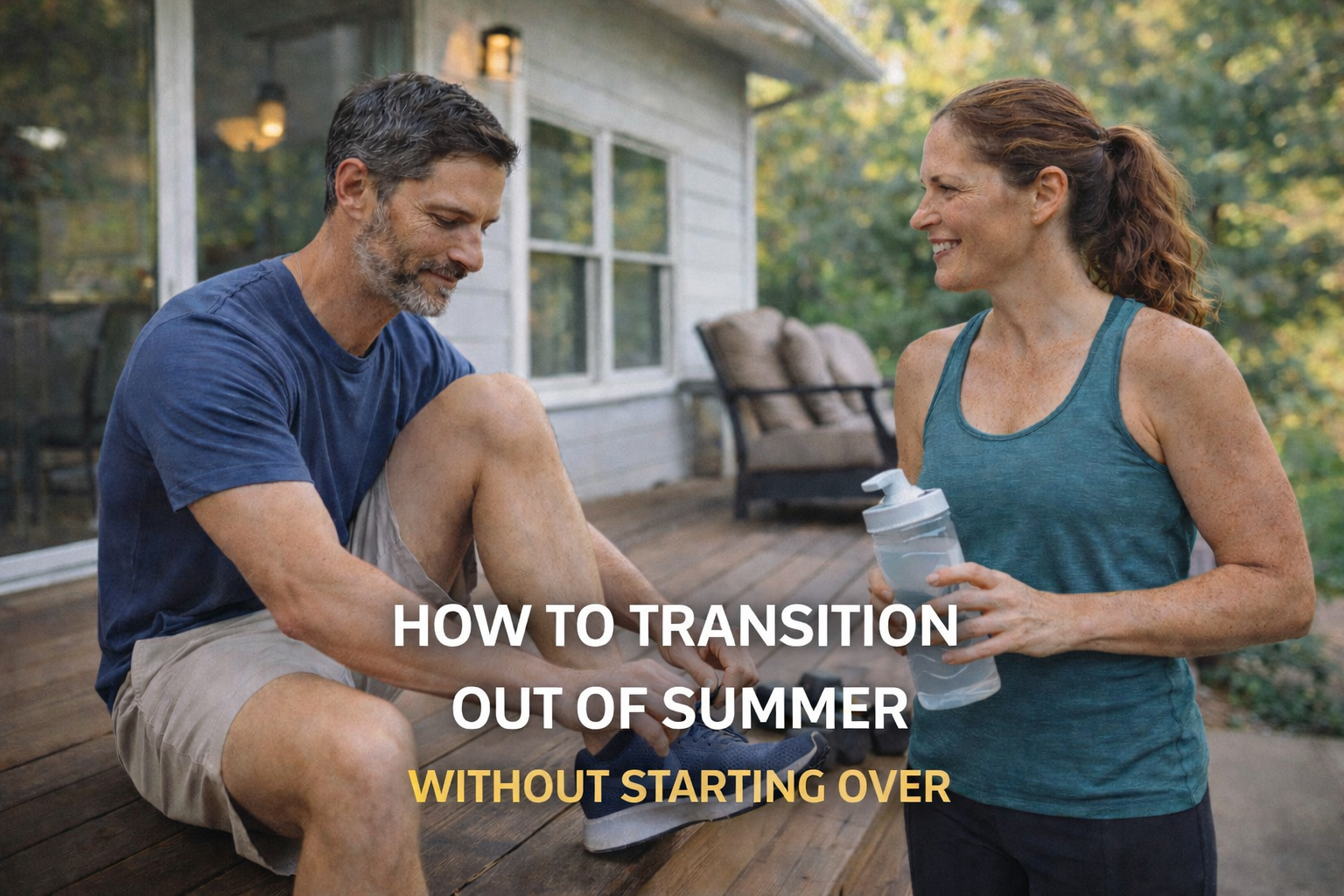
How to Transition Out of Summer Without Starting Over
Ending summer doesn’t mean starting over. This essay explains how to carry momentum forward by expanding on what already worked instead of resetting everything.

What Summer Is Actually Good For Training Wise
Summer isn’t the best season for peak performance, but it is ideal for reinforcing fundamentals, building resilience, and strengthening long-term training systems.

Vacation Weeks Don’t Ruin Progress If This Is in Place
Vacation weeks don’t undo progress. This essay explains why continuity matters more than perfection and how to return without restarting or compensating.

Why Kids’ Schedules Change Your Appetite More Than You Think
When kids’ schedules change in summer, appetite often becomes louder and less predictable. This essay explains why hunger shifts and how to respond without overcontrol.
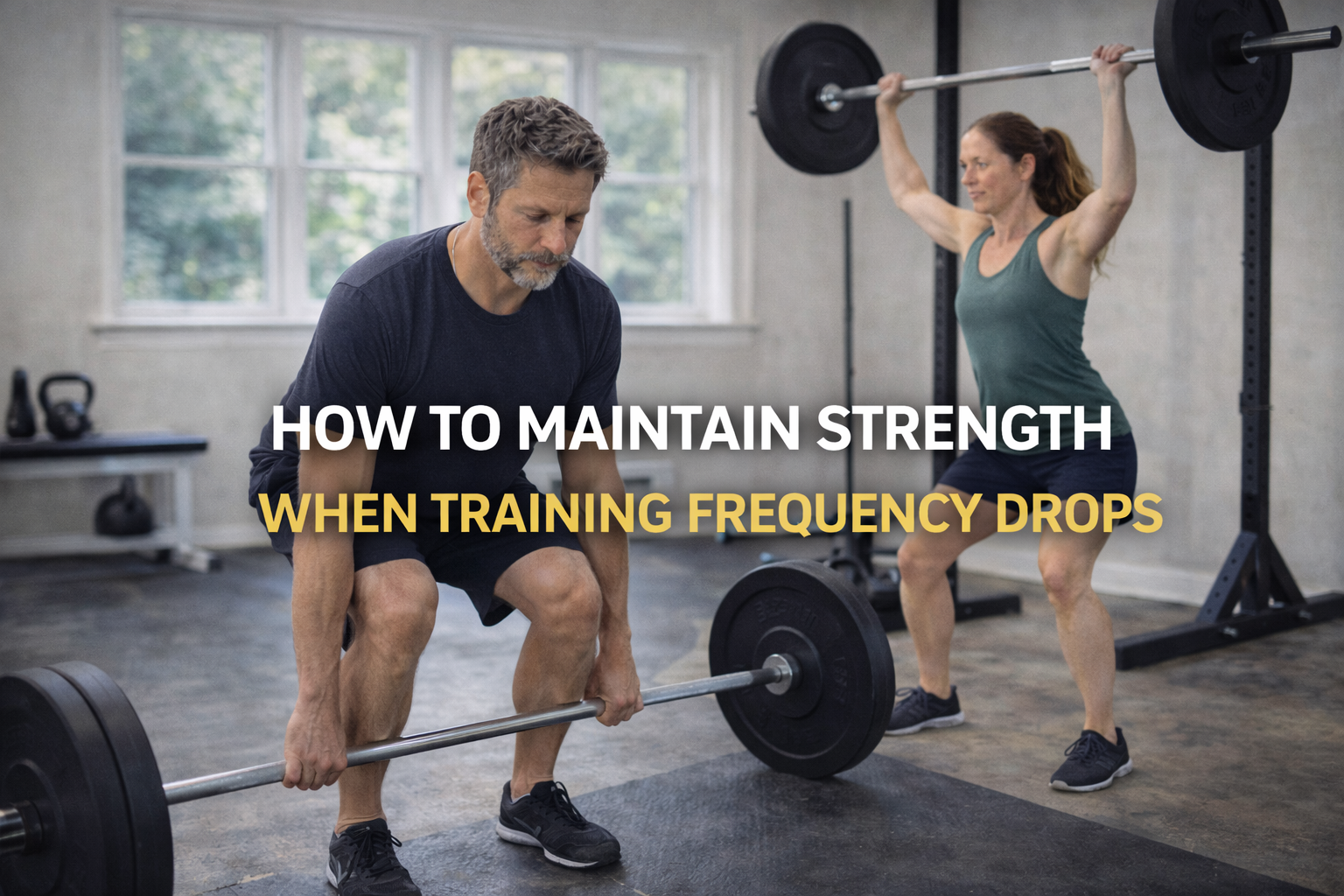
How to Maintain Strength When Training Frequency Drops
When training frequency drops, strength doesn’t disappear. This essay explains how prioritization and quality work preserve strength through disrupted schedules.

The Role of Conditioning When Time Is Limited
When time is scarce, conditioning is often misused. This essay explains how to use conditioning to support training without draining recovery or momentum.

Why Summer Nutrition Fails at Dinner, Not Breakfast
Summer nutrition usually breaks down at dinner, when fatigue and decision overload peak. This essay explains why dinner feels harder and how to reduce volatility without strict rules.

How to Eat Well Without Controlling Every Meal
Trying to control every meal in summer creates friction and burnout. This essay explains how anchoring patterns support nutrition without constant management.
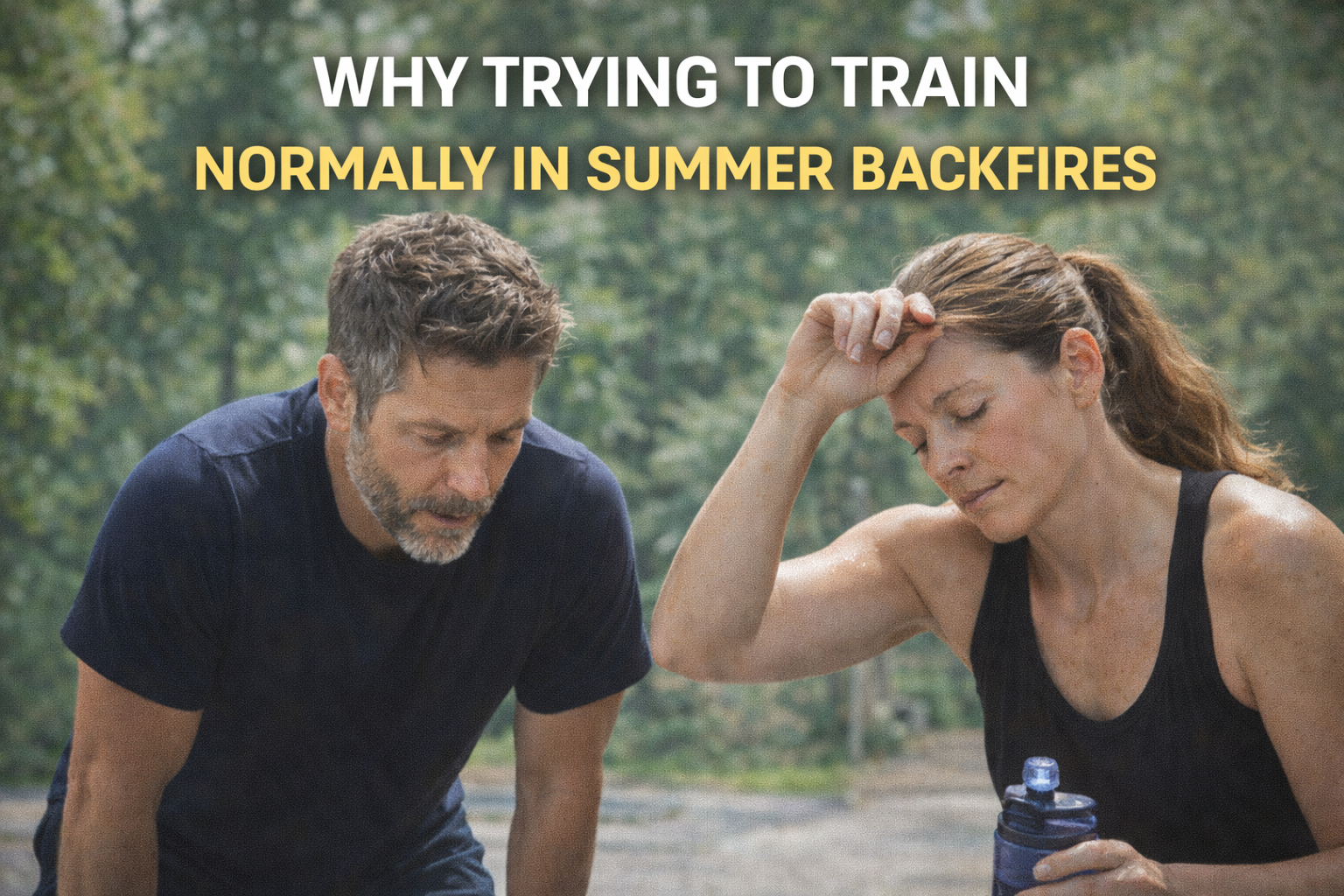
Why Trying to Train “Normally” in Summer Backfires
Summer alters recovery and schedules more than most people expect. This essay explains why training normally backfires and how to adjust without losing momentum.
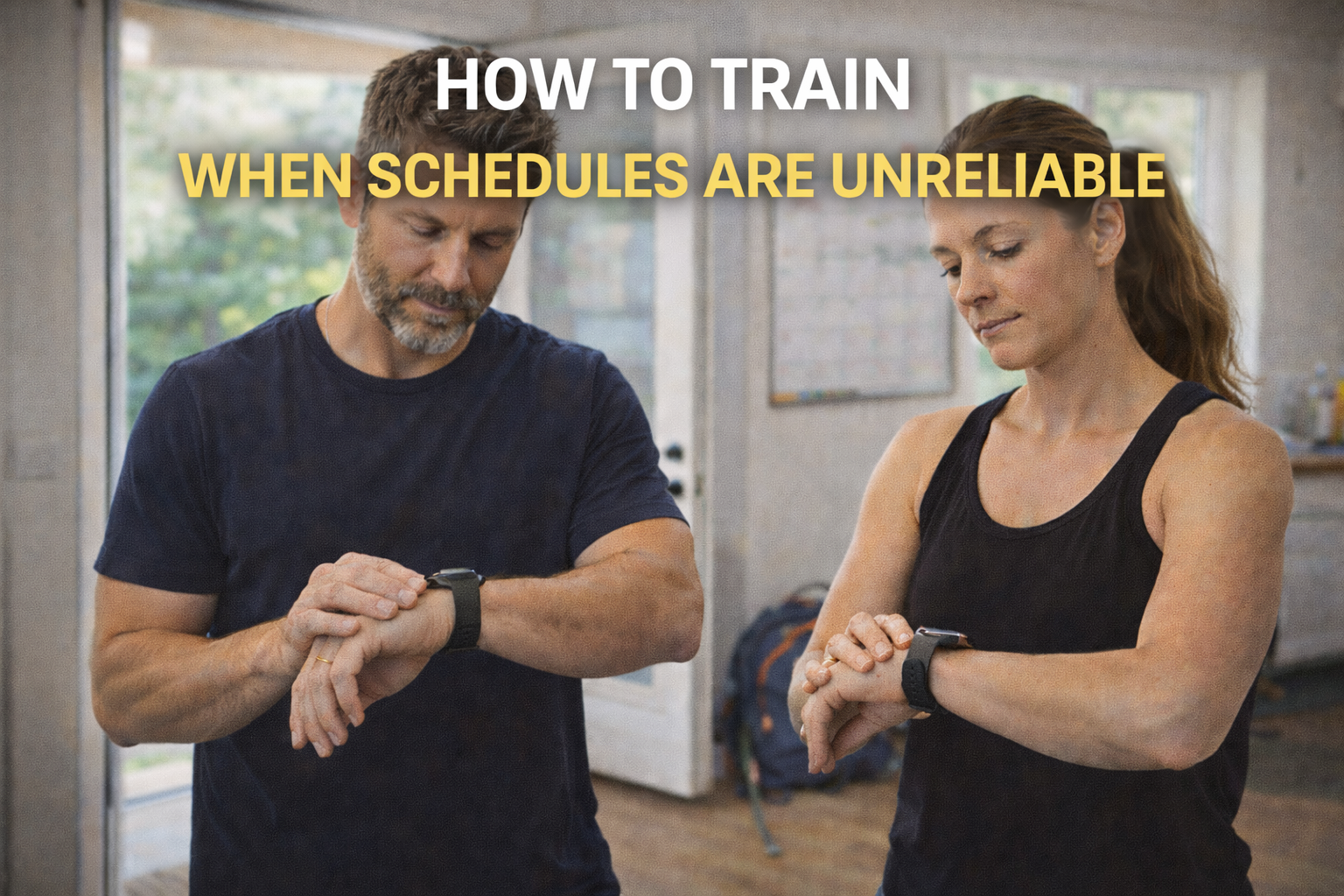
How to Train When Schedules Are Unreliable
Summer schedules are rarely predictable. This essay explains how to train consistently by adapting structure instead of waiting for routines to return.
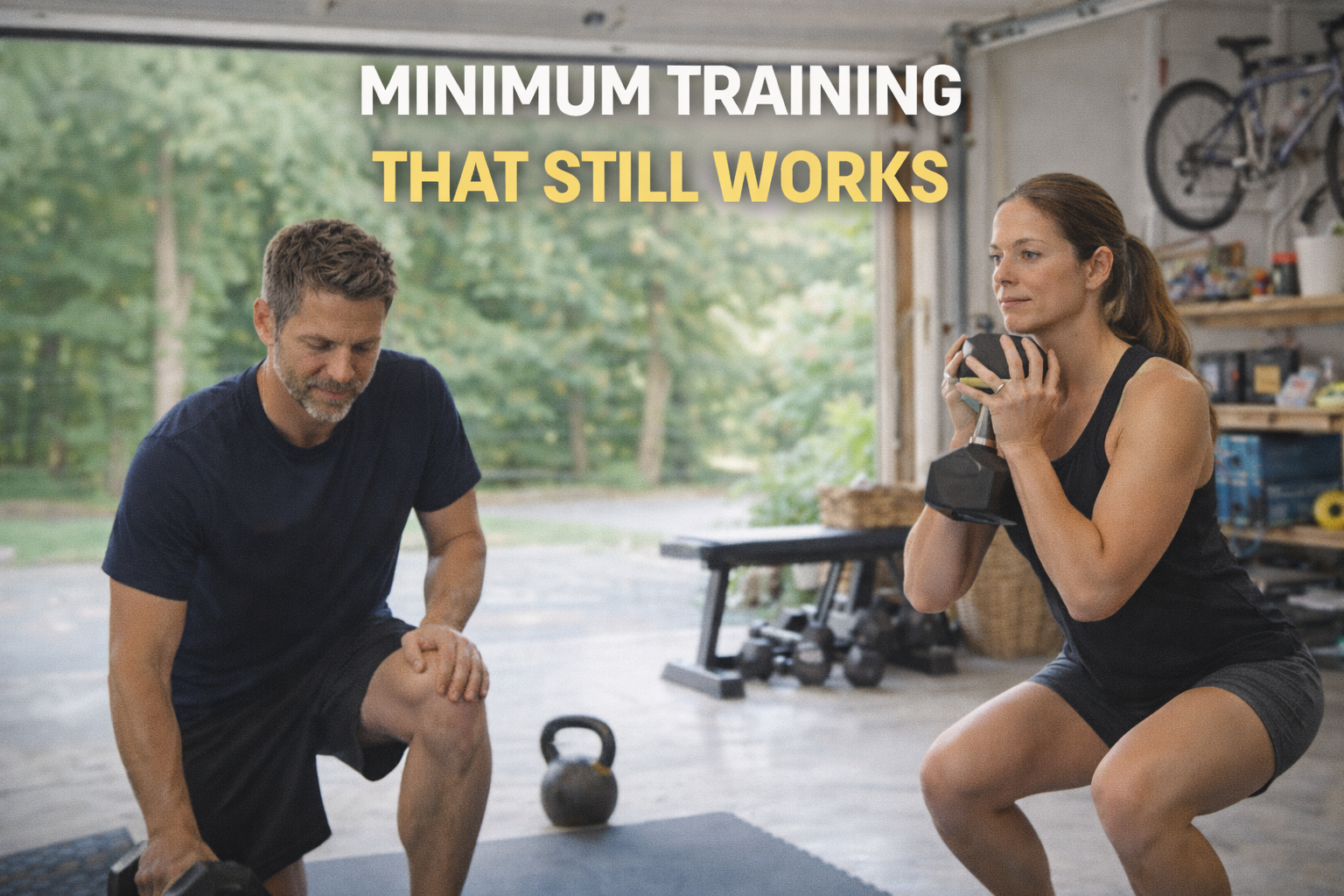
The Minimum Training Structure That Still Works in Summer
When summer disrupts routines, training doesn’t need to stop. This essay explains the minimum effective structure that keeps momentum when schedules are unreliable.
Why Summer Disrupts Progress More Than People Expect
Summer disrupts progress not because discipline drops, but because structure disappears. This essay explains why routines break down and how to adjust before things unravel.